






Knob and Tube Wiring: What Homeowners Really Need to Know
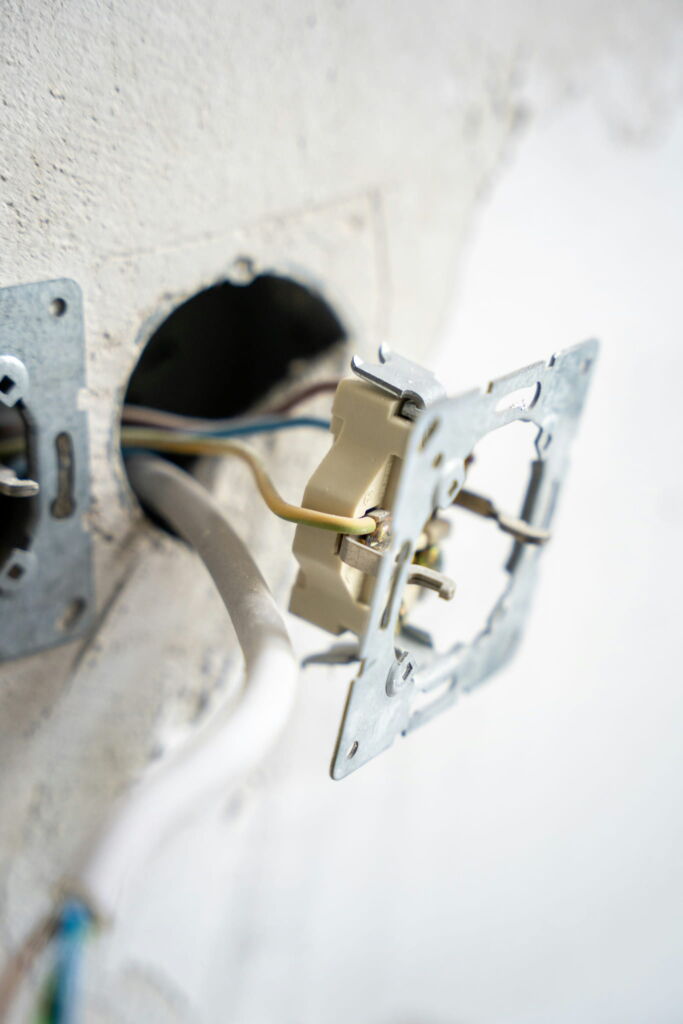
If you own an older home, you already know there may be a little history hiding behind your walls. And we’re not talking about the original millwork or vintage wallpaper…we’re referring to a less prominent (but just as important) quirk: knob and tube wiring. Common in homes built from the late 1800s through the first half of the 20th century, knob and tube wiring is an early electrical system that’s still found in plenty of older properties today. Finding it doesn’t automatically mean your home is unsafe, but it does mean there are a few things worth keeping in mind.
Today, we’re breaking it all down for you right here.
What Is Knob and Tube Wiring?
Knob and tube wiring gets its name from the ceramic knobs and tubes used to support and protect electrical wires as they travel through a home. Unlike modern electrical systems, knob and tube wiring typically consists of separate hot and neutral wires…and doesn’t include a grounding conductor. In fact, that lack of grounding is one of the biggest differences between knob and tube and the wiring used in homes today.
Looking for inventive ways to add value to your home? Curious about the latest design trends? Read these posts next:
- How to Make Your Home Smart
- Midcentury Design Features We Love
- What to Know About Buying a Home with a Pool
Where Are You Most Likely to Find It?
Think older housing stock. Knob and tube wiring was widely used in the United States from roughly the 1880s into the 1940s, so you’re most likely to encounter it in homes built during that period. In an area filled with historic houses and older neighborhoods (like DC), it’s certainly not unheard of. And in case you were wondering, just because a home has undergone renovations doesn’t necessarily mean all of its wiring was replaced. Some properties have a mix of newer electrical systems and original knob and tube wiring tucked away in walls, ceilings, attics, or basements.
Is Knob and Tube Wiring Dangerous?
Not necessarily. Knob and tube wiring that’s intact, properly installed, and left undisturbed can be very different from wiring that has deteriorated or been improperly modified over the decades. Age is only part of the equation. Problems can arise when insulation becomes brittle, connections are altered incorrectly, circuits are overloaded, or newer wiring is spliced into the old system improperly.
Another potential issue? Insulation. Knob and tube wiring was designed to dissipate heat into the surrounding air, so covering it with certain types of building insulation can create concerns.
In other words: finding knob and tube isn’t necessarily cause for panic, but it is cause for a closer look.
What Should You Do If Your Home Has It?
Start with a qualified electrician. An electrician can determine how much knob and tube wiring remains, evaluate its condition, identify modifications or potential hazards, and explain whether repairs or replacement make sense. This is especially important if you’re planning a renovation, since opening walls, adding outlets, installing new appliances, or otherwise increasing a home’s electrical demands can change the equation.
And remember: don’t assume that visible modern wiring means the entire house has been updated. Electrical systems can be piecemeal, particularly in homes that have been renovated multiple times.
What About Homeowners Insurance?
Now this is where knob and tube wiring can extend beyond an electrical issue. Some insurance companies may have restrictions related to knob and tube wiring, require an inspection or electrical update, charge different rates, or even decline to insure a property with an older system. Of course, requirements and restrictions vary by insurer and property.
If you do discover knob and tube wiring, it’s worth talking to both a licensed electrician and your insurance provider before making assumptions about what needs to happen next.
So Do You Always Have to Replace It?
There’s no one-size-fits-all answer. The condition and extent of the wiring matter, as do local requirements, insurance considerations, planned renovations, and the electrical demands of the home. In some cases, an electrician may recommend targeted updates. In others, replacing the remaining knob and tube wiring may be the best long-term move, particularly if you’re already undertaking a major renovation. The key? Getting an assessment specific to your home rather than treating the words “knob and tube” as an automatic verdict.
Do you love older homes? Feel like you’re a bit of a history buff? DC is full of beautiful architecture and historic homes. Learn more about them here:
- Iconic DMV Addresses You’ve Seen on the Screen
- The Kennedy Homes That Still Define Washington
- The Oldest Bars in DC
Old Home, Modern Expectations
Older homes come with character, craftsmanship, and, occasionally, electrical systems designed long before anyone imagined charging a phone, running central air, and plugging in an espresso machine all at once. And while knob and tube wiring isn’t necessarily something homeowners need to panic about, it isn’t something to ignore either. Our advice? Know what wiring is behind your walls, understand its condition, and bring in the right professionals to help you make the right call. Because when it comes to an older home, knowing what you’re working with is half the battle.
Ready to find an older home that lives up to your discerning demands? Get in touch with us by filling out the form on this page, calling us at 202.280.2060, or emailing connect@jennsmira.com.

Put Us To Work For You
Book a consultation with our team today.