





What to Know Before Moving to Washington, DC

Thinking about moving to DC? You’re not alone. From career opportunities to culture to walkability, our nation’s capital has a pull that’s hard to ignore. But here’s the thing: living in and around The District isn’t quite what people expect, and that’s where it gets interesting. Before you make the move, here’s what to actually know about life in DC (beyond the monuments and headlines).
It’s Not Just Politics
Yes, politics is everywhere, but it’s far from everything. DC is a city of layers. Alongside government work, you’ll find thriving industries in tech (especially in nearby Northern Virginia), consulting, hospitality, media, law, and nonprofits.
It’s also a city shaped by transplants. Walk into any coffee shop in Dupont or Navy Yard, and you’ll hear conversations about everything from policy to startups to creative side projects. People move here to build something and often pivot along the way. That said, work culture can lean intense. Early mornings, late nights, and “quick calls” that are anything but quick are part of the rhythm here. In other words? People are driven to succeed, and it shows.
Neighborhoods Shape Your Entire Experience
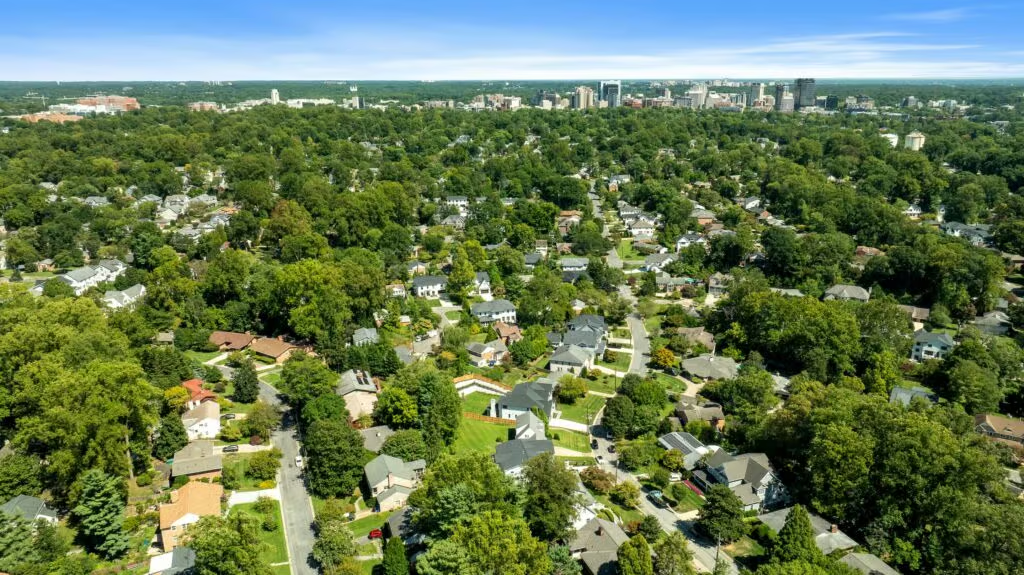
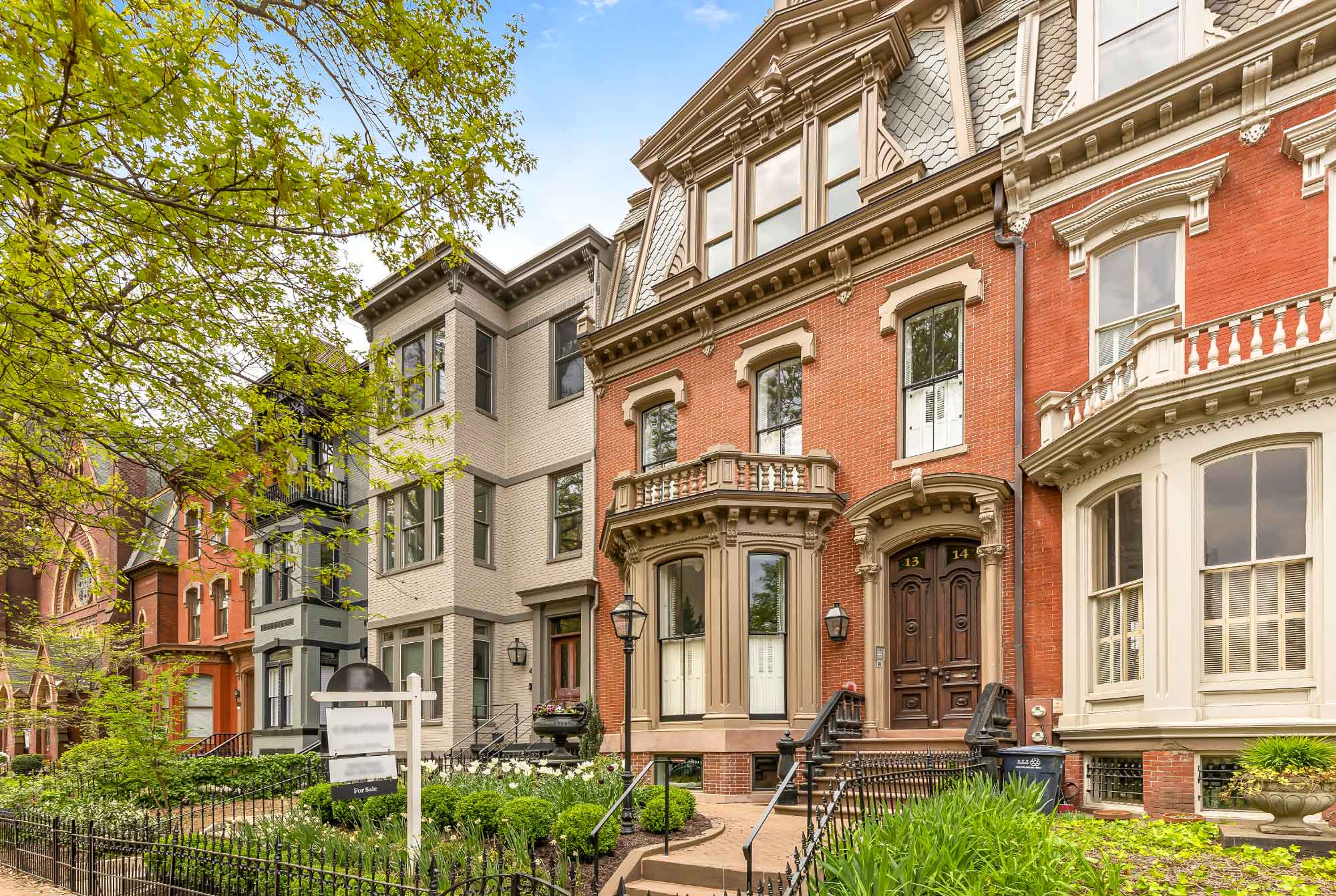
DC isn’t defined by just one vibe, it’s home to dozens. And unlike more sprawling cities, neighborhoods here feel distinctly contained, almost like micro-cities within a grid. Case in point: Historic rowhomes in Georgetown come with cobblestone streets and a quieter, polished feel. Logan Circle leans more energetic, with a mix of nightlife, restaurants, and walkable density. The Wharf brings a waterfront lifestyle with newer construction and built-in entertainment. Cleveland Park offers a more residential pace, tree-lined streets, and a slightly removed feel from downtown. Even subtle shifts matter, like living near a Metro line vs. a bus-heavy area, east vs. west of Rock Creek Park, or being walkable to grocery stores and coffee shops, which are the details that shape your day-to-day.
Translation: “living in DC” can look wildly different depending on your zip code.
Moving to DC? Have questions about schools and education? Explore these related resources next.
- What Are The Types Of Schools In The DMV?
- What are the Private Schools In Washington, DC?
- How Does The DC School System Lottery Work?
Walkability Is a Huge Win
One of DC’s biggest advantages? You can actually live without a car and many people do. The Washington Metro connects most of the city (and extends into Maryland and Virginia), while buses fill in the gaps. Add in Capital Bikeshare, protected bike lanes, and compact neighborhood layouts, and daily life becomes surprisingly efficient.
Cost of Living: High, But Strategic
Let’s not sugarcoat it, DC is expensive. As of now, one-bedroom rents in central neighborhoods like Logan Circle, Dupont, or Navy Yard often hover well above $2,300–$2,800/month, with luxury buildings pushing higher. But there’s nuance.
If you’re moving from NYC to Washington DC, you’ll likely notice:
- More square footage for your money
- Slightly lower rent (though still high)
- A different kind of “luxury” — less vertical, more neighborhood-driven, often with boutique-style buildings rather than high-rise density
You may also find better value just outside the immediate core in places like Petworth, Brookland, or parts of Capitol Hill offer more space and a stronger neighborhood feel.
That said, taxes can catch people off guard. DC has its own income tax brackets, no commuter tax for residents, and relatively high property taxes based on price point. Depending on where you’re moving from, your take-home pay may look a little different.
Searching for the right neighborhood for you? Get to know the rest of DC with these neighborhood guides:
- How to Spend a Day in Friendship Heights
- Your Guide to Dupont Circle, DC
- What’s it Really Like Living in Logan Circle?
- What Are the Best Places to Live in Maryland?
- How to Spend a Day or Night in Shaw
It’s a Food City, Just Not in the Way You Expect
DC’s food scene has quietly become one of its strongest selling points, it’s just a bit more curated than chaotic. You won’t get the same block-by-block density as NYC, but you will get range. Michelin-starred restaurants, chef-driven concepts, and some of the best Ethiopian food in the country (centered around Shaw and U Street) all coexist within a relatively small footprint.
There’s also a strong neighborhood dining culture. Instead of trekking across the city, most people build a rotation of go-to spots within walking distance. And yes, brunch here is practically a weekend ritual. Reservations help.
Schools and Long-Term Living Matter More Than You Think
A lot of people move to DC for work and don’t initially think about staying. But many do and that’s where things get more complex. DC’s school system is a mix of traditional public schools, charter schools, and private options, with access often tied to your address or a lottery system. Timing, strategy, and neighborhood choice all play a role.
Even if schools aren’t immediately relevant, they can influence resale value, neighborhood demand, and long-term flexibility, so it’s worth understanding the educational layout early.
Pace of Life: Fast, But Not NYC Fast
If you’re moving from NYC to DC, this is one of the biggest shifts. DC still moves quickly, but with more breathing room. Some examples:
- Sidewalks aren’t as packed
- Restaurants are easier to get into
- Weekends feel more relaxed
It’s a subtle shift, but one that people tend to appreciate over time.
It’s Surprisingly Green
DC doesn’t always get credit for this, but it should. Rock Creek Park alone spans over 1,700 acres and cuts straight through the city, giving you access to trails, wooded paths, and a genuine sense of escape without leaving city limits. Add in the National Mall, waterfront paths along the Potomac and Anacostia Rivers, and smaller neighborhood parks, and green space becomes part of your daily routine, not a destination.
It’s one of the reasons people find DC more livable long-term than they expected.
Networking Isn’t Optional (But It Can Be Fun)
In DC, who you know — and how you connect — matters. Happy hours double as networking events. Industry panels, alumni groups, and social clubs are everywhere. Even casual introductions can turn into real opportunities. The key is making it feel less transactional. Find your people, your routines, your go-to spots — whether that’s a workout class, a coffee shop, or a recurring event.
That’s when the city starts to shift from “network” to “community.”
Final Thoughts
Whether you’re moving to DC for work, lifestyle, or something in between, the key is understanding how the city actually functions day-to-day, not just how it looks from the outside. Because once you find your rhythm here, it’s a hard place to leave.
Ready to find your place in DC? Get in touch with us directly by calling 202.280.2060 or emailing us at jsmira@jennsmira.com!

Put Us To Work For You
Book a consultation with our team today.