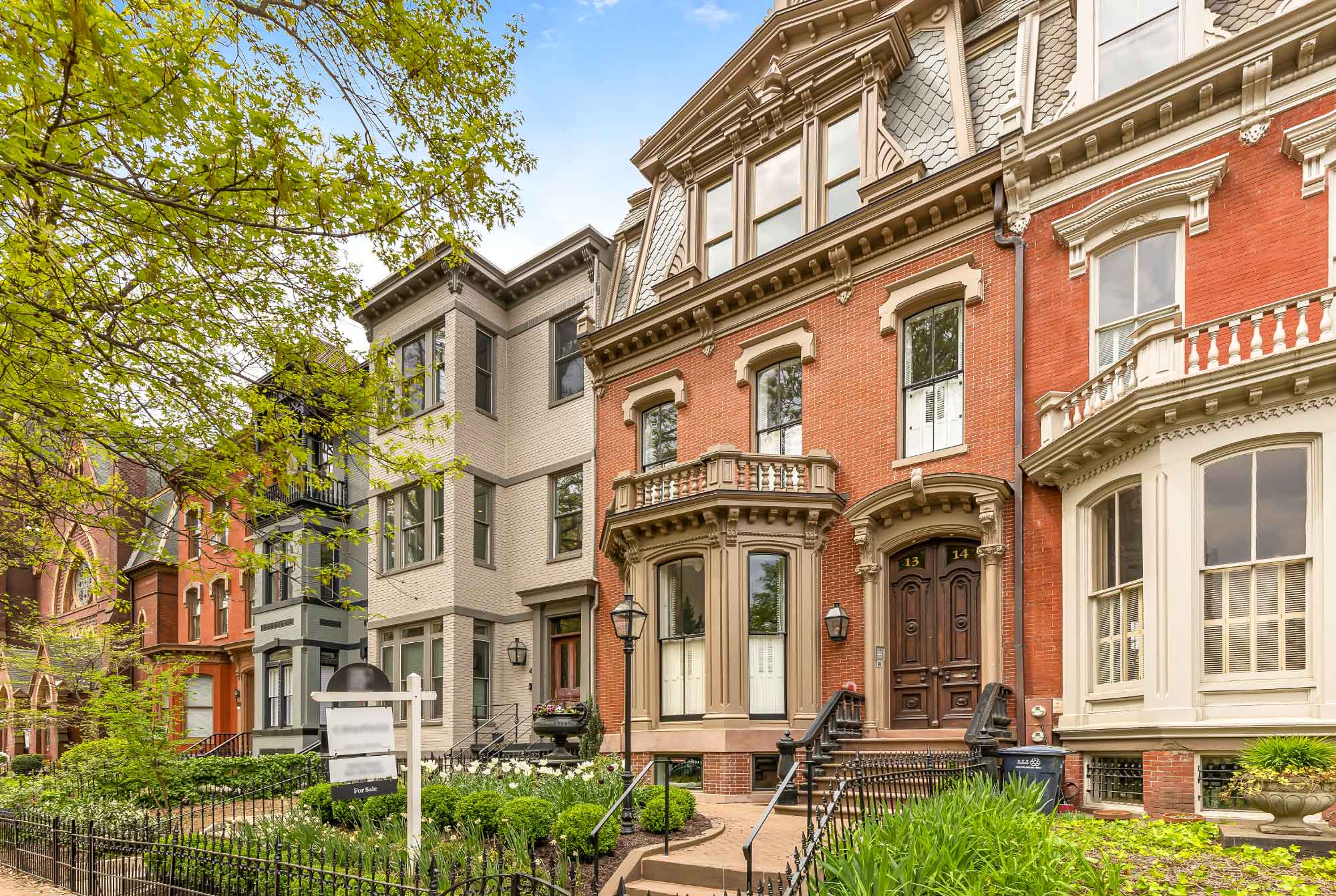






Moving From DC to Maryland: What You Need to Know
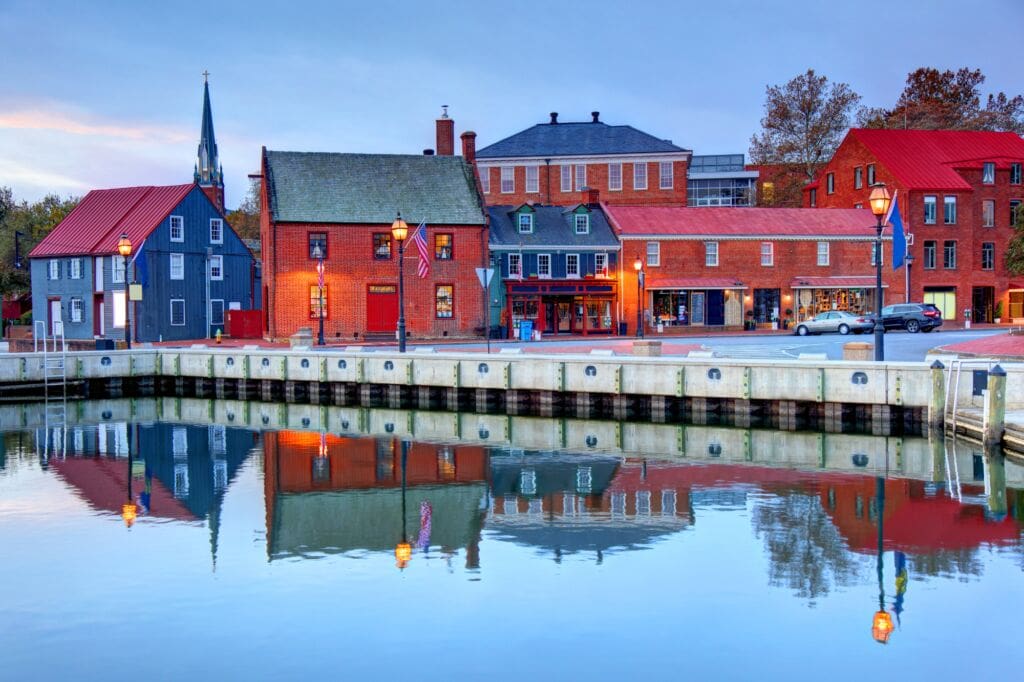
Thinking about trading city life for a little more space? You’re not alone.
Whether you’re looking for a bigger backyard, top-rated schools, lower property taxes in some areas, or simply a change of pace, moving from Washington, DC, to Maryland is a popular next step. That said, crossing the border comes with more than a new ZIP code.
From choosing the right neighborhood to understanding taxes and commuting options, here’s everything you need to know before making the move.
Why Are So Many People Moving from DC to Maryland?
Maryland offers something for just about every lifestyle. Across the state, you’ll find walkable urban neighborhoods, quiet suburban communities, waterfront towns, and even rural properties, all within commuting distance of the nation’s capital.
Many buyers are drawn to Maryland for:
- More square footage for their budget
- Larger lots and outdoor space
- Highly rated public school systems
- Diverse neighborhoods and housing styles
- Access to parks, trails, and waterfront recreation
- Easy access to both DC and Baltimore
The best part? You don’t have to sacrifice on convenience: many Maryland communities feel like a seamless extension of DC.
Learn more about what it’s really like to live in Maryland with these posts next:
- Thinking About Moving to Maryland? Here’s What to Know
- What are the Best Places to Live in Maryland
- The Pros and Cons of Living in Maryland
Choosing the Right Maryland Community
Maryland enclaves aren’t one-size-fits-all, and the right location depends entirely on your priorities.
If you want an easy commute to DC
Consider communities like:
- Bethesda
- Chevy Chase
- Silver Spring
- Takoma Park
- Kensington
These areas offer Metro access, walkable downtowns, and quick trips into the city.
If you want more space
You may find better value in:
- Rockville
- North Potomac
- Olney
- Columbia
- Ellicott City
These communities often promise larger homes, bigger yards, and family-friendly neighborhoods.
If lifestyle is your priority
Love restaurants, shopping, and entertainment? Take a closer look at:
- Bethesda Row
- Downtown Silver Spring
- Pike & Rose
- National Harbor
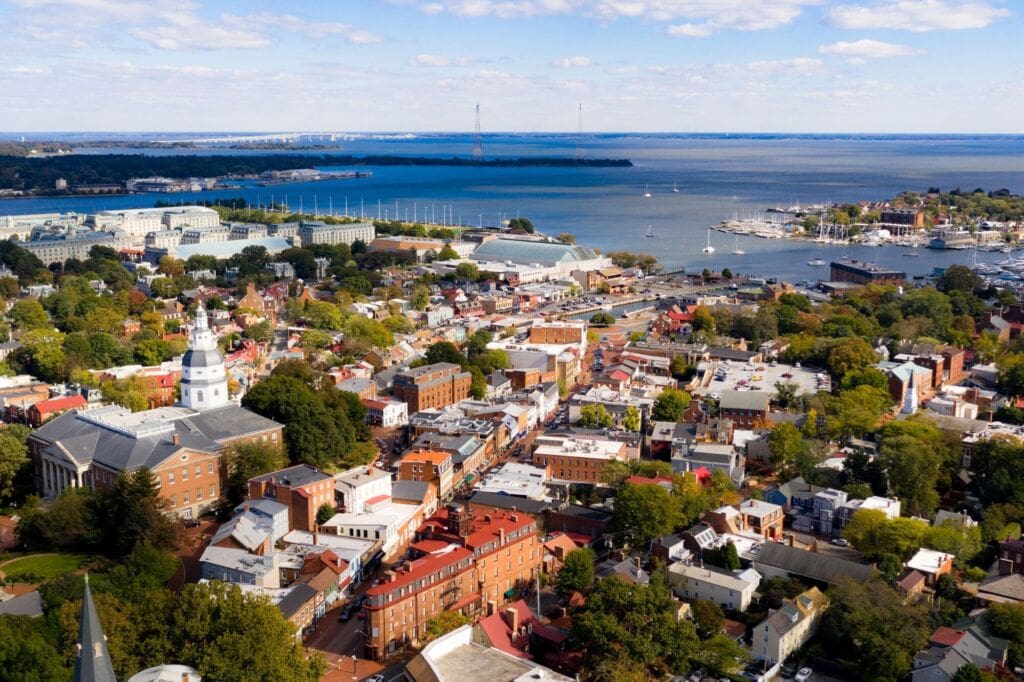
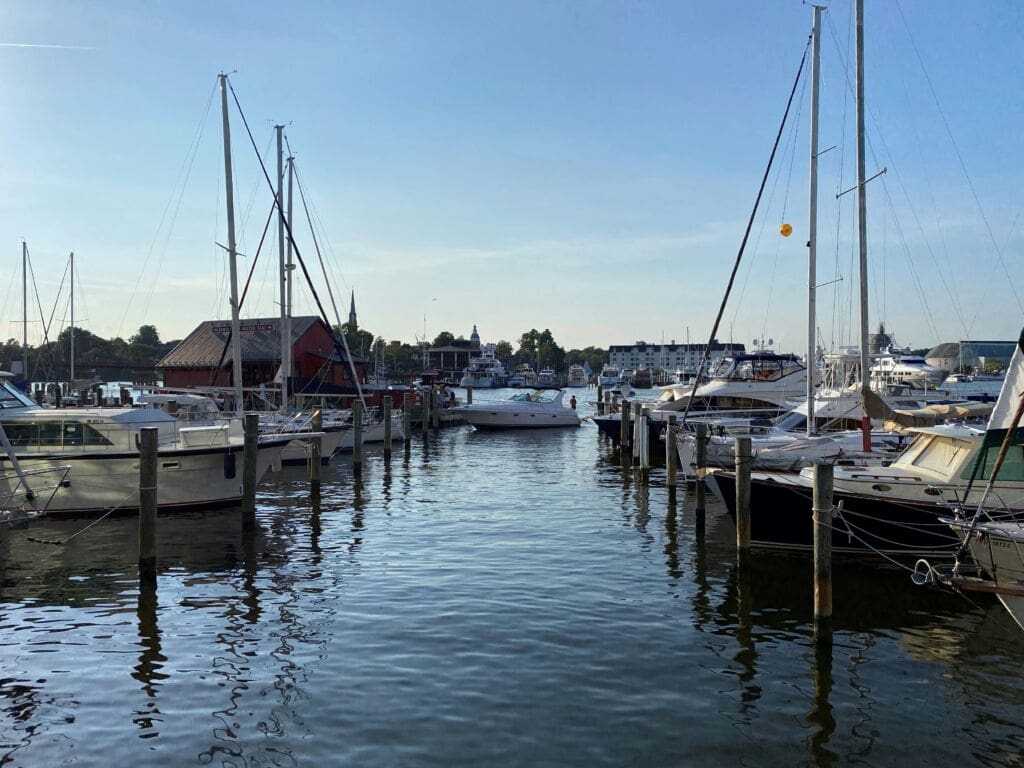
- Annapolis
Each one has its own personality, from waterfront living to lively mixed-use districts.
Understanding Maryland Taxes
Taxes are one of the biggest adjustments for many DC residents relocating to Maryland. Here are a few things to keep in mind:
- Maryland has a state income tax.
- Counties also charge local income taxes, which vary depending on where you live.
- Property taxes differ by county and municipality.
- You’ll also need to update your driver’s license, vehicle registration, and voter registration after your move.
While taxes are an important consideration, they should be weighed alongside housing costs, schools, commute times, and overall quality of life.
Buying a Home in Maryland
The home buying process is similar to DC, but inventory, pricing, and competition can vary significantly by location. Before you start touring homes:
- Get pre-approved.
- Determine your true monthly budget.
- Research county-specific housing markets.
- Work with an agent who knows both DC and Maryland.
A local expert can also help you compare neighborhoods that may not have been on your radar.
Planning Your Commute
Tons of Maryland residents venture into DC every day, but commute times can vary dramatically depending on where you live. To that end, make sure you think about factors like:
- Metro access
- MARC Train availability
- Major highways like I-270, I-495, and Route 50
- Parking availability at your workplace
- Hybrid or remote work schedules
If you’ll be commuting several days a week, it may be worth prioritizing convenience over extra square footage.
Adjusting to the Lifestyle
One of the biggest changes that comes with a move to Maryland isn’t about the address, but rather the pace of life. That said, many statewide communities offer advantages such as:
- More green space
- Neighborhood parks
- Community pools
- Farmers markets
- Local festivals
- Hiking and biking trails
- Easier access to the Chesapeake Bay and regional parks
At the same time, you’ll still have museums, concerts, sporting events, and restaurants in DC just a short drive or Metro ride away.
Preparing for the Move
A little planning goes a long way. Before moving day:
- Schedule movers well in advance.
- Transfer utilities.
- Update your mailing address.
- Notify banks, employers, and insurance providers.
- Register your vehicle in Maryland.
- Apply for a Maryland driver’s license.
- Learn your new county’s trash, recycling, and parking rules.
Checking these items off early helps make moving day much less stressful.
Looking to buy real estate in Maryland? Read these blog posts for more advice.
- 10 Things You Didn’t Know About Living in Maryland
- How Long Does It Take to Buy a House?
- How To Buy A House With No Money Down
Don’t Forget the Local Differences
Every Maryland county operates a little differently. Depending on where you move, you may notice differences in:
- School districts
- Property tax rates
- Public transportation options
- Local services
- HOA regulations
- Building permit requirements
Understanding these details ahead of time can help you avoid surprises after closing.
Is Moving from DC to Maryland Right for You?
For many buyers, moving from DC to Maryland offers the best of both worlds: more space, flexible housing options, and access to outstanding communities that are still within close proximity to the city. The key? Finding the location that fits your lifestyle, commute, and long-term goals. With the right planning and local guidance on your side, your move can be an exciting opportunity to put down roots in a community that feels like home.
Ready to find your place in Maryland? Get in touch with us by filling out the form on this page, calling us at 202.280.2060, or emailing connect@jennsmira.com.

Put Us To Work For You
Book a consultation with our team today.