




What is the Cost of Living in DC?
Thinking about moving to our nation’s capital? One of the first questions people ask is simple: what does it actually cost to live in DC?
While the price stamp of residing in Washington, DC might be higher than the national average, the full picture depends on where you live, your lifestyle, and what you value in a city. From housing and transportation to groceries and entertainment, keep reading to find out what it really costs to live in DC today!
Where DC Ranks in Cost of Living
Washington, DC consistently ranks among the top 10 most expensive cities in the United States. In many national cost-of-living indexes, DC sits alongside cities like New York, San Francisco, and Boston.
Why? A few key factors drive the higher price tag:
- Strong job market (government, consulting, tech, law)
- Limited housing inventory
- High demand from young professionals and relocators
- Walkable urban lifestyle with premium neighborhoods
For many residents, the tradeoff is access to top-tier career opportunities, world-class culture, and a vibrant city lifestyle.
Looking to buy a house in DC? Dive into these posts next!
Housing: The Biggest Factor in the Cost of Living in DC
Housing is by far the largest contributor to the cost of living in DC.
Typical housing costs in Washington, DC:
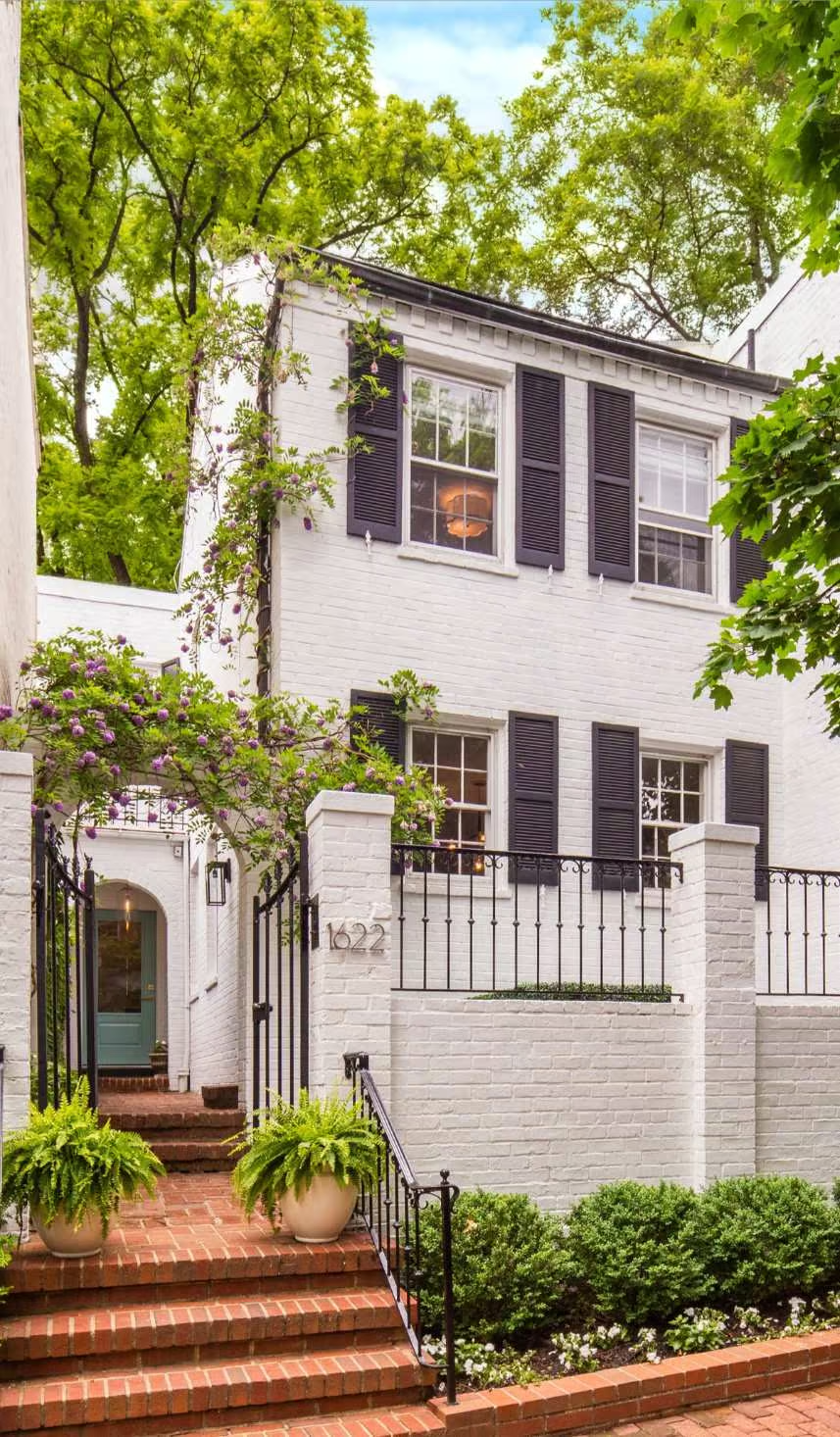
- Median home price: around $650K–$750K depending on neighborhood
- One-bedroom apartment rent: roughly $2,200–$2,800 per month
- Two-bedroom apartment rent: $3,000–$4,200+ in central neighborhoods
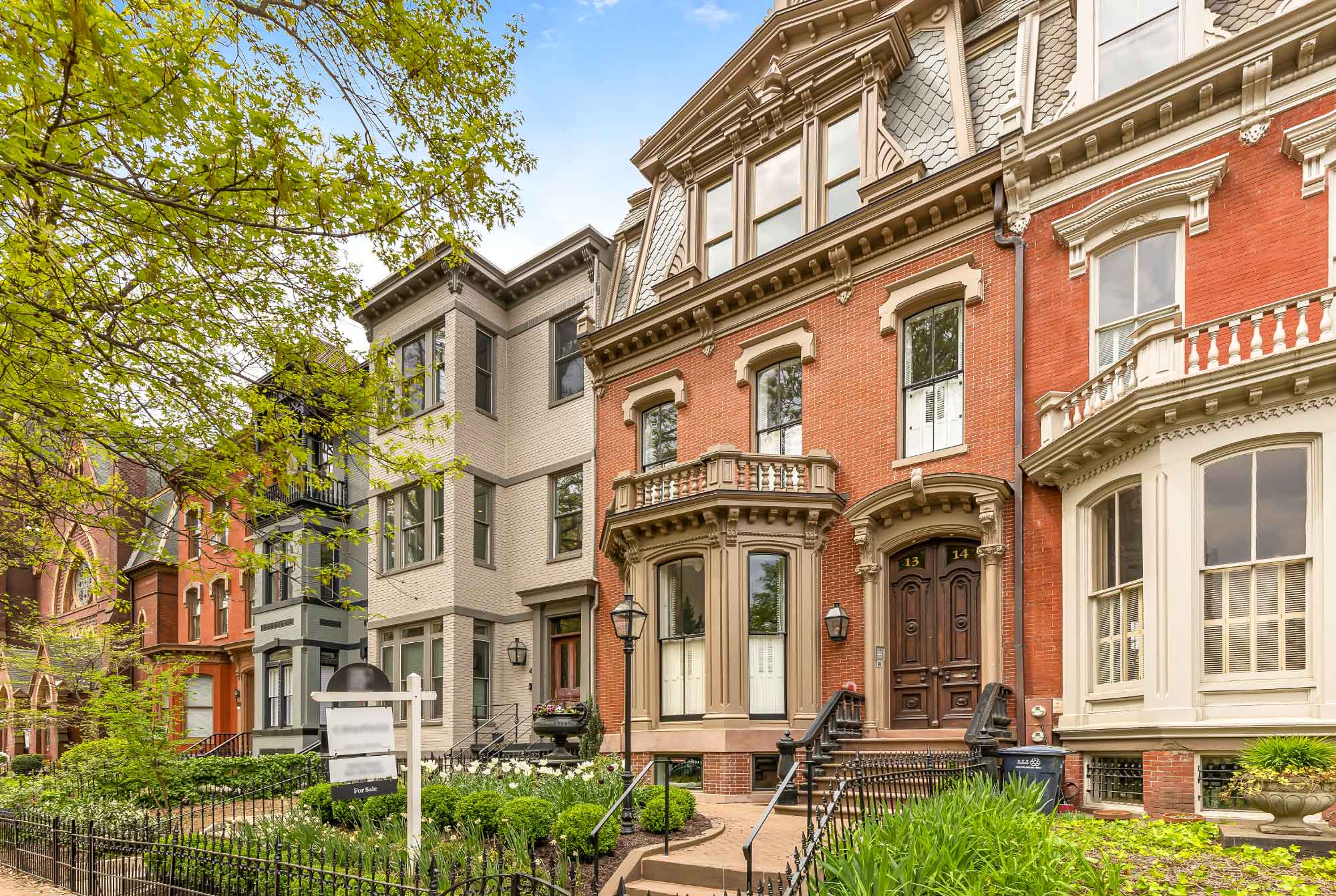
As you can see, the neighborhood you choose plays a major role in price. Areas like Georgetown, Dupont Circle, and Capitol Hill command premium prices, while neighborhoods farther from downtown may offer more value. Still, DC’s housing costs remain lower than Manhattan or San Francisco, which surprises some people relocating from those markets.
Learn more about what it’s like to really live in these neighborhoods. Read these blogs next:
- What it’s Really Like to Live in Georgetown, DC
- Your Guide to Dupont Circle, DC
- Your Guide to Shaw, DC
Transportation Costs
One major advantage of living in Washington, DC is walkability and public transportation.
Many residents rely on:
- Metro rail and buses
- Walking
- Biking and scooters
- Rideshare services
A typical monthly Metro pass ranges from $72–$216 depending on usage, which is often significantly cheaper than owning a car in the city (especially when you factor in parking, insurance, and gas). For many people, this helps offset the overall cost of living in Washington DC.
Looking for DC neighborhoods with walkability? Read our post: Do You Need a Car in DC? Our Look at the Most Walkable Neighborhoods in DC
Groceries and Everyday Expenses
Groceries and day-to-day expenses in DC are higher than the national average, but not dramatically so compared with other major cities. Typical costs for a single person are as follows:
- Monthly grocery budget: $350–$500
- Coffee shop drink: $4–$6
- Casual lunch: $12–$18
- Dinner at a mid-range restaurant: $25–$40 per person
DC’s strong food scene — from neighborhood bistros to acclaimed restaurants — means residents often spend more on dining out.
Get more of the best of DC with these posts next:
Utilities and Monthly Bills
Utilities in DC are relatively moderate compared to other major cities. Here are some typical monthly estimates:
- Electricity and gas: $120–$180
- Internet: $60–$80
- Water/trash (if not included in rent): $40–$70
Older rowhomes and historic buildings can sometimes have higher heating costs in winter.
Lifestyle and Entertainment
One surprising perk of living in DC: many cultural experiences are free. The Smithsonian museums, National Zoo, and numerous monuments cost nothing to visit, which helps balance out the overall cost of living in DC.
In terms of activities that you do need to pay for, popular entertainment expenses include:
- Fitness memberships: $70–$200/month
- Concerts and theater: $50–$150
- Professional sports tickets: $40–$200+
But between festivals, outdoor events, parks, and museums, DC offers plenty of ways to enjoy the city without spending all of your hard-earned money.
Each month, we round up the top events and activities in the area. Read our post: Things To Do in the DMV This Month
So…Is It Expensive to Live in Washington DC?
Compared with the national average, yes — the cost of living in Washington DC is high.
But for many residents, the benefits outweigh the costs:
- Strong salaries and career growth
- Walkable neighborhoods
- Incredible cultural amenities
- Easy access to parks, waterfronts, and historic areas
- Proximity to major East Coast cities
Thanks to all these reasons (and more), DC continues to be one of the most desirable urban markets in the country for professionals, families, and people relocating for opportunity alike.
Bottom line: The cost of living in DC is higher than average, largely due to housing. But when you factor in career opportunities, transit access, and quality of life, many residents find the city well worth the price.
Ready to find your place in our nation’s capital? Get in touch by filling out the form on this page, calling us at 202.280.2060, or emailing us at connect@jennsmira.com.
Put Us To Work For You
Book a consultation with our team today.