





Breaking Down the DC Real Estate Market With Jenn Smira & Co.
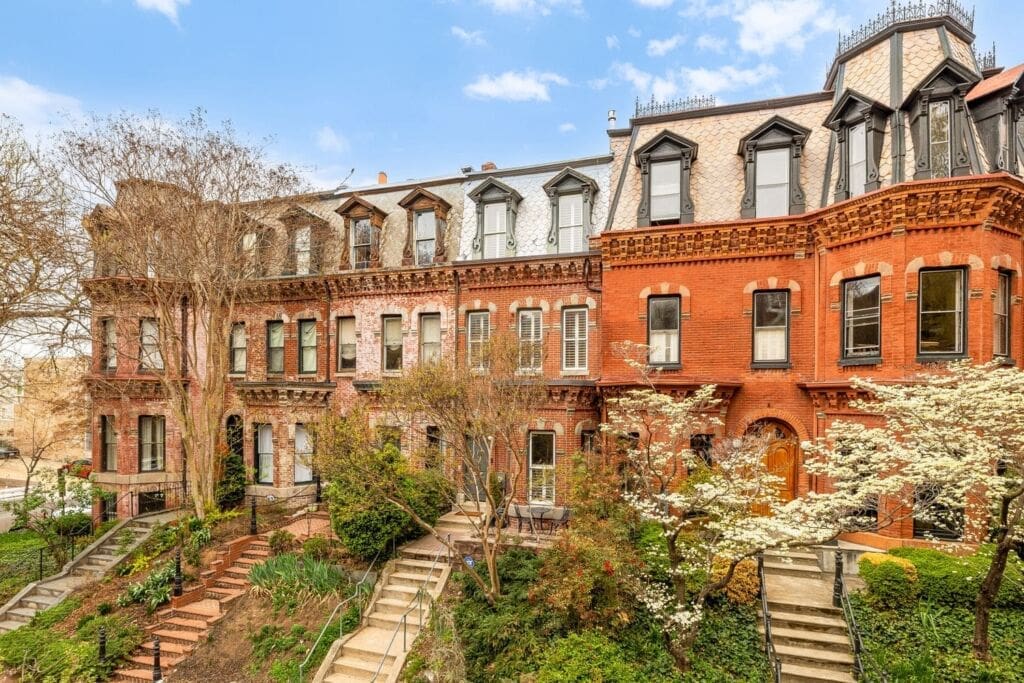
This just in: the world of Washington real estate is anything but ordinary. What does that mean, exactly? That DC is a market influenced not just by supply and demand, but by politics, policy, and the international reach of the people who live and work in our nation’s capital.
Here, the real estate landscape is centered around everything from economic cycles and interest rates to zoning laws and election results. And for both buyers and sellers, success in this city starts with understanding how those unique forces interact.
Not sure what it takes to navigate the DC real estate scene today? We’re breaking it all down for you right here.
A Market Built on Variety
Contrary to popular belief, there is no standalone “DC market.” The city is in fact made up of dozens of smaller pockets that operate independently, despite often being set only a few blocks apart. Within minutes, you can move from a 19th‑century rowhome in Capitol Hill to a sleek new condominium in Navy Yard, and then onto an expansive colonial in Upper Northwest. Because of this hyper-local set-up, each area responds to its own distinct mix of lifestyle trends, pricing pressures, and buyer demographics.
This diversity is a big part of what makes the DC market so resilient: when one segment slows down, another typically heats up, keeping overall home values strong.
Looking to buy a house in DC? Dive into these posts next!
The Property Landscape
Condos and Co‑ops: Condominium living remains one of the most popular entry points for buyers across the District. Buildings in Dupont Circle, Logan Circle, Navy Yard, and the West End range from compact studios to high‑service luxury residences complete with rooftop pools and fitness centers. Condos appeal to first‑time buyers who want low‑maintenance living, investors seeking rental potential, and buyers looking for a convenient pied‑à‑terre close to the city’s attractions.
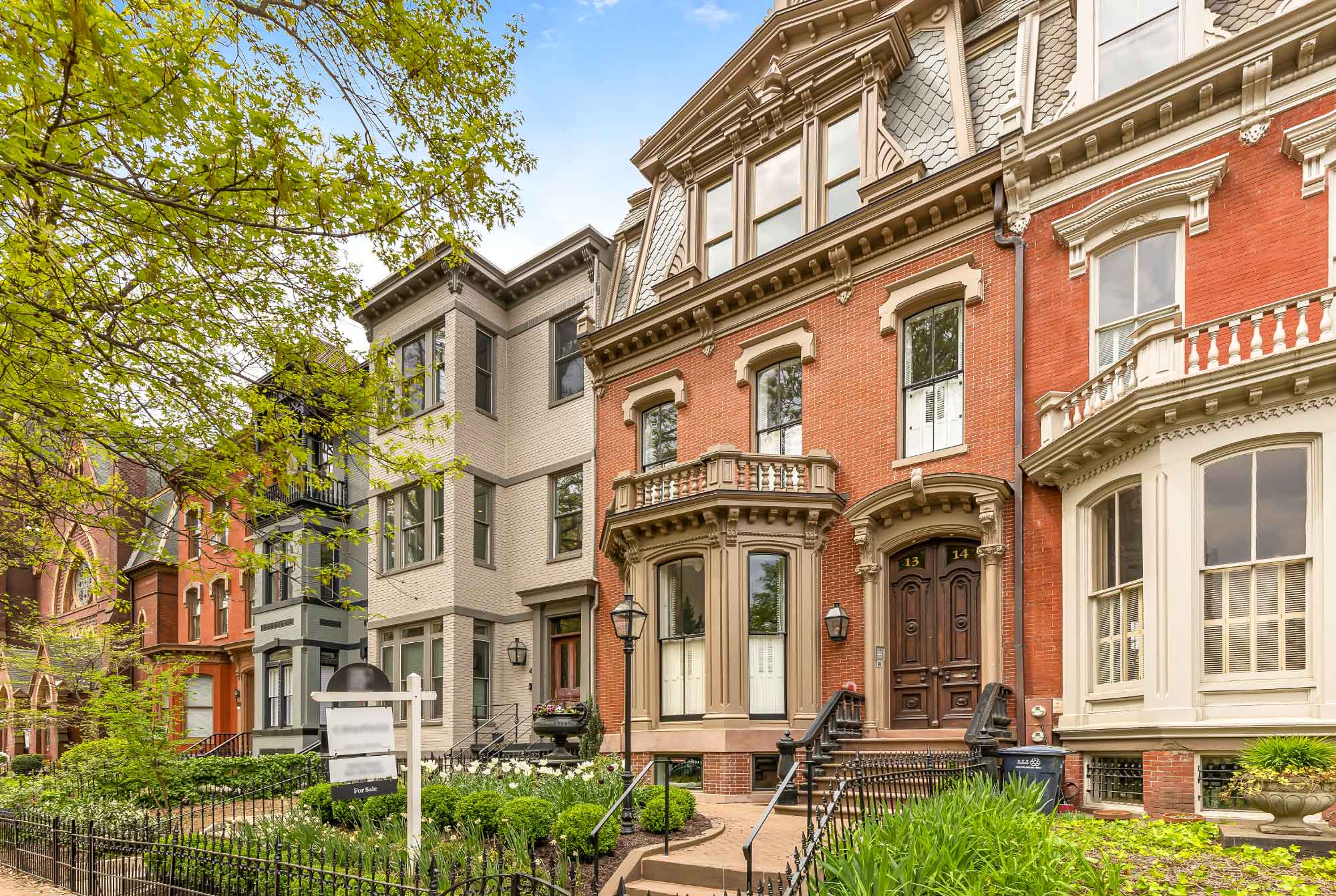
Rowhomes and Townhomes: DC’s rowhomes are woven into its architectural DNA. In these gems, you’ll find brick facades, curved bay windows, and ornate cornices that have become synonymous with historic neighborhoods like Capitol Hill, Georgetown, and Shaw. Many of the city’s rowhomes & townhomes have been thoughtfully renovated, blending original character with modern kitchens and baths. Unsurprisingly, these types of properties attract residents who value walkability, the charm of DC’s traditional streetscapes, and the long‑term equity that comes from owning a piece of local history.
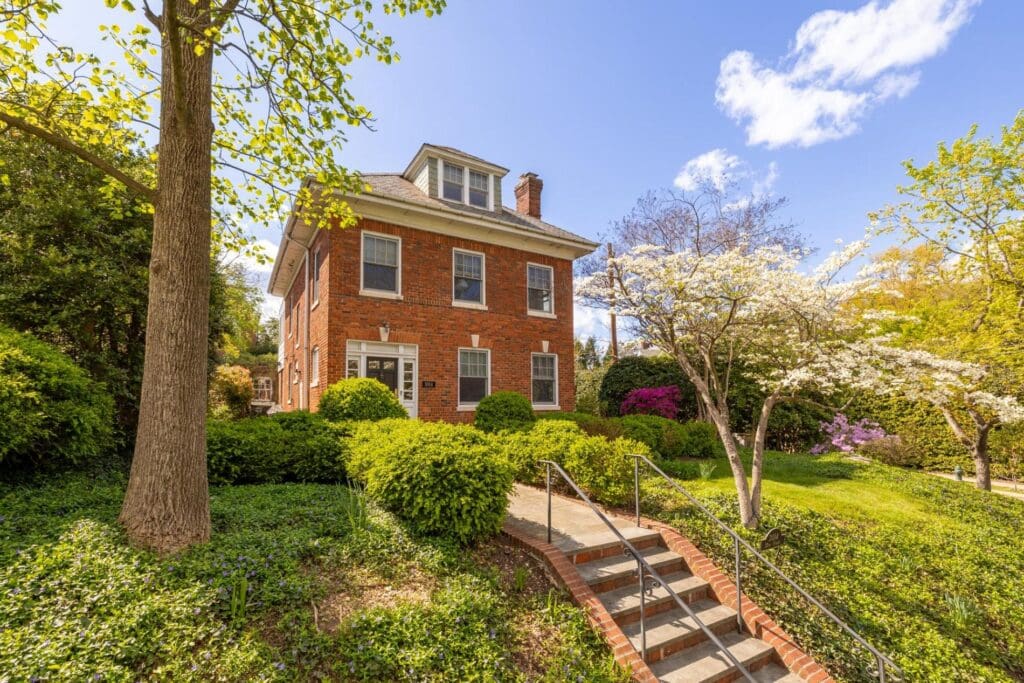
Single‑Family Homes: Beyond core city limits, single‑family homes dominate in communities such as Upper Northwest DC, Bethesda, Chevy Chase, and parts of Northern Virginia. These neighborhoods are defined by tree‑lined streets, large lots, and highly regarded schools. Homes range from classic colonials to contemporary new construction. Demand in these areas is consistently high, driven by those seeking more space and stability at the same time.
New Development: New construction continues to change the face of DC. Exciting projects throughout Navy Yard, NoMa, and portions of Upper Northwest and Bethesda are known to spotlight modern design infused with amenity‑rich luxuries. From smart‑home technology to rooftop lounges, developers are raising the bar on turnkey living while drawing younger buyers and professionals who appreciate a combination of convenience and style.
How Neighborhoods Differ
The Urban Core: Neighborhoods like Dupont Circle, Logan Circle, West End, and Georgetown form the heart of the city. They offer enhanced walkability, access to top restaurants, and strong resale value. The market here is built on scarcity, with limited inventory and constant demand from professionals and second‑home buyers who prioritize location and lifestyle.
Emerging Growth Hubs: Navy Yard, NoMa, and Union Market represent DC’s ongoing evolution. These neighborhoods feature new buildings, vibrant social scenes, and a younger demographic. The energy is modern and fast‑paced, with many residents enticed by amenities and downtown access. Prices are still sensitive to interest rates and new supply, but long‑term momentum remains positive.
Upper Northwest DC: This region appeals to families and established residents who value privacy, schools, and green space. The mix of mid‑century homes, colonials, renovated Tudors, and architect‑designed residences creates an intentional sense of calm that contrasts with busier downtown areas. Limited inventory here keeps prices strong even during slower market cycles.
The Suburbs: Bethesda, Chevy Chase, and close‑in Northern Virginia communities (such as Arlington and McLean) continue to attract those seeking more land and larger homes. Luxury new construction is booming, and competition for well‑located properties can be intense. Buyers in these areas often prioritize community amenities and access to top school districts.
What Moves the Market
Government and Policy: Few cities are as tied to government activity as Washington. So as you might have guessed, federal hiring rounds, policy shifts, and administration changes all regularly influence demand. Fittingly, when a new administration arrives, relocation waves can dramatically increase buying and selling activity. On the other hand, temporary events such as government shutdowns tend to yield only short slowdowns before the market resumes its usual rhythm.
Interest Rates and the Economy: One way the DC market follows the rest of the country? Interest rates still shape affordability and buyer confidence. When rates rise, the pace of some transactions slows, but DC’s steady employment base helps buffer dramatic swings. In other words? Buyers here view real estate as a long‑term investment, not a short‑term gamble.
Inventory Levels: One of the city’s most persistent challenges is limited housing supply. Neighborhoods with strong demand rarely see enough new listings to meet buyer interest. This scarcity continues to drive prices, even when other markets experience declines.
Local Regulation: Policies such as rent control, zoning updates, and development approvals directly shape the city’s housing landscape. These factors influence not just what kinds of properties get built, but also where investment flows.
In search of helpful home selling tips? Find out how to pull off a great sale in any season!
- Can You Sell After Spring Market?
- Should Seniors Sell Their Home And Rent?
- How To Sell Your Home In One Month Or Less
Who Lives in DC
While the government remains a foundational employer, DC’s buyer pool extends far beyond the federal world. Today’s residents include lawyers, lobbyists, policy analysts, entrepreneurs, tech professionals, healthcare and biotech innovators, and an international community of diplomats and investors. That diversity acts as a stabilizer, keeping demand balanced across sectors and preventing the dramatic ups and downs seen in more homogenous markets.
Price Ranges at a Glance
While pricing varies widely by neighborhood, here’s a general snapshot to illustrate the market’s scale:
- Median home price in DC: approximately $700,000 to $800,000
- Condominiums: roughly $400,000 to over $1.5 million
- Rowhomes: typically $800,000 to $2 million or more
- Single‑family homes: $1 million to $5 million depending on size and location
- Luxury segment: $3 million and above, strongest in Bethesda, Chevy Chase, Northwest DC, and Northern Virginia
Even at the higher end, demand remains steady for well‑designed, turnkey homes in prime locations.
Buyer and Seller Profiles
First‑Time Buyers: Many first-time buyers start with condos or smaller rowhomes, tending to be mindful of pricepoint and monthly costs. To that end, they prioritize neighborhood amenities, transportation access, and long‑term value.
Move‑Up Buyers: This is the group moving on from condos to larger homes as lifestyles change, often prioritizing space, school options, and community feel.
Luxury Buyers: In this pool, buyers expect high design, quality craftsmanship, and seamless finishes. Many are even purchasing across multiple markets and view real estate as both a lifestyle and an investment.
Investors: Strong rental demand keeps investor interest high, particularly for condos and multi‑unit buildings in walkable neighborhoods.
Long‑Term Owners: These sellers have typically held their properties for years and built substantial equity along the way. Many are downsizing, relocating, or simply ready for a change in lifestyle.
Developers and Builders: Active throughout DC, Montgomery County, and Northern Virginia, this group drives the region’s design‑forward, high‑end market by creating new construction & full‑scale renovations that reflect the city’s growing demand for modern layouts, elevated materials, and turnkey living.
Relocating Sellers: Career chances, policy shifts, and personal milestones bring these sellers to the market. They tend to move on fixed timelines and value efficiency & expertise during their transition.
What Makes DC Different
As you can see, DC rarely experiences the extreme highs and lows that define other cities. Its market moves with measured consistency, shaped more by policy and professional stability than by speculation or trend. A few key takeaways:
- The city’s strong employment base creates reliable, year‑round demand.
- Limited land and strict zoning help to keep inventory in check, preventing the large surpluses that can destabilize other markets.
- Buyers here are highly educated and analytical, often backing their decisions with data and long‑term strategy.
- And as expectations rise, design, branding, and presentation have become central to how homes are marketed and sold.
Find the Right Guidance
In the world of Washington real estate, success comes from strategy…not attempting to see the market’s future. Understanding where demand is strongest, how interest rates influence different price points, and the ways presentation can set a listing apart are what will ultimately give you the biggest edge.
At the end of the day, the DC market rewards preparation and expertise. With thoughtful guidance, buyers and sellers can navigate its complexity and come out ahead in one of the country’s most distinctive markets.
Ready to find your place in the DMV market? Get in touch by filling out the form on this page, calling us at 202.280.2060, or emailing us at connect@jennsmira.com.

Put Us To Work For You
Book a consultation with our team today.